The Allure of Gambling
The fascination with gambling can be traced back to ancient civilizations, where games of chance were a common form of entertainment. Casinos capitalize on this historical intrigue, creating environments that are both engaging and stimulating. The bright lights, the sounds of spinning reels, and the social atmosphere contribute to a sensory overload that can be hard to resist. Many gamblers are drawn to these experiences not just for the potential monetary gain but for the thrill of possibility that comes with every bet, especially when exploring options like australian online pokies that offer unique opportunities for excitement.
Psychologically, the allure of gambling lies in the unpredictability it offers. Each game provides a unique blend of chance and strategy, engaging players’ cognitive skills while simultaneously invoking strong emotional responses. The anticipation of a win can trigger a dopamine release in the brain, leading to feelings of excitement and euphoria. This biochemical reaction reinforces the behavior, as players continuously seek that exhilarating high, even if it often comes wrapped in the uncertainty of loss. The cycle of hope and disappointment can create a compelling narrative that keeps players returning for more, chasing that elusive winning moment.
Moreover, casinos employ various psychological tactics to keep players engaged. They often provide free drinks or extend loyalty programs to encourage longer play. These strategies create a sense of belonging and reward, which can deepen the emotional connection players have to the gaming experience. By crafting an environment that feels welcoming and rewarding, casinos tap into the human desire for social interaction and recognition. Understanding these elements helps illuminate why some individuals find themselves drawn back to the casino time and time again, despite the risks involved.
The Role of Environment in Gambling Behavior
Every element of a casino’s design is meticulously crafted to enhance the gambling experience. From the layout of the gaming floor to the choice of colors and sounds, the casino environment plays a crucial role in influencing player behavior. The absence of windows and clocks creates a sense of timelessness, allowing players to lose track of time and immerse themselves in the gaming experience. This deliberate design keeps players engaged and can lead to extended gambling sessions that may not align with their initial intentions. The strategic placement of machines and tables encourages players to explore various games, further prolonging their stay.
Furthermore, social interactions within casinos significantly shape gaming habits. The presence of other players can amplify excitement and create a communal atmosphere where individuals feel supported or encouraged. This social reinforcement can lead to increased betting and risk-taking behaviors, as players want to maintain the thrill that comes from shared experiences. The camaraderie among players can transform a solitary activity into a collective celebration, further prolonging engagement and participation. The collective cheers and groans create a dynamic environment that resonates with players on a deeper emotional level.
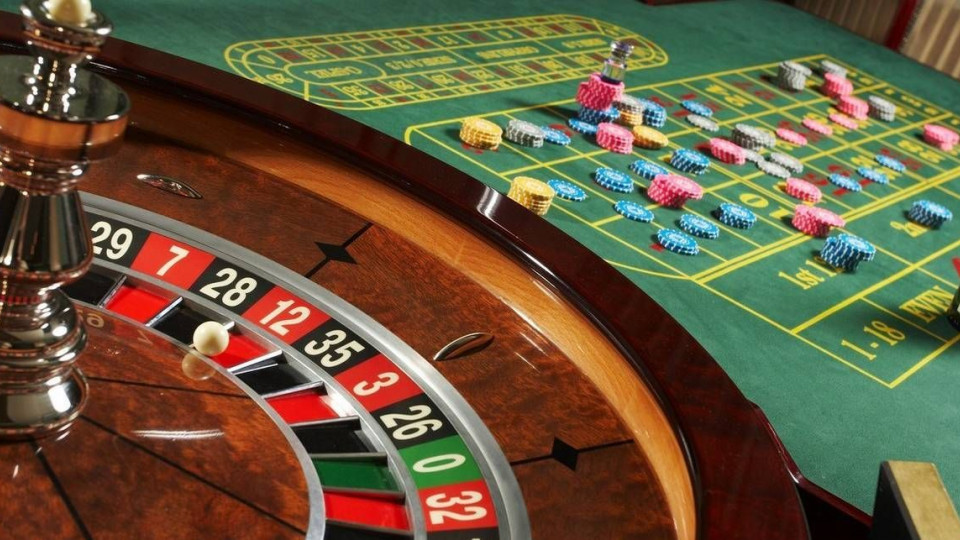
Notably, the psychological impact of winning or losing can be exacerbated by the environment. Winning in a lively casino can create a euphoric rush, whereas losing amidst the cheers and sounds of celebration around can feel particularly isolating. This contrasting emotional experience strongly influences how individuals perceive their gambling habits, either reinforcing their behavior after a win or prompting reevaluation after a string of losses. The emotional highs and lows can create a rollercoaster effect that keeps players coming back for more, hoping to recapture that initial thrill.
The Psychological Mechanisms of Addiction
The psychological mechanics of addiction to gambling can be complex. Many individuals gamble as a form of escapism, using it to cope with stress, anxiety, or even depression. The casino environment serves as a temporary refuge where they can forget their problems and immerse themselves in the thrill of games. Unfortunately, this coping mechanism can quickly spiral into a reliance on gambling as a way to handle life’s challenges, leading to dangerous patterns of behavior. The initial excitement can turn into a compulsive need, making it difficult for individuals to recognize when their gambling is becoming problematic.
Additionally, cognitive biases play a significant role in gambling addiction. Players often fall victim to the illusion of control, believing they can influence outcomes based on skill or strategy, despite the fundamentally random nature of most casino games. This mindset fosters a false sense of confidence, making it easier for individuals to justify their continued play, even when faced with financial or personal consequences. The need for validation and self-esteem can also lead individuals to chase losses, further entrenching them in a cycle of gambling. This behavior creates a feedback loop where the promise of a win becomes the driving force behind continued play.
Support systems and understanding are crucial in addressing gambling addiction. Many individuals may not recognize their behavior as a problem until significant damage has occurred. Educational initiatives aimed at raising awareness about gambling psychology can help individuals identify unhealthy habits and seek help. By promoting healthier perspectives on gambling, there is a potential to mitigate the adverse effects associated with compulsive gaming behaviors. Encouraging open conversations about gambling can also help destigmatize the issue and promote pathways to recovery.
The Impact of Technology on Gaming Habits
With the rise of online gaming platforms, technology has transformed the landscape of gambling significantly. The convenience of being able to gamble at home has made it more accessible, but this also raises concerns about increased rates of addiction. Players can easily engage in gaming activities without the social cues that might signal moderation in physical casinos. This anonymity can lead to binge gambling, where players lose track of time and money, resulting in severe financial and emotional repercussions. The digital realm often lacks the physical barriers that can help regulate gaming behavior, making it easier to fall into unhealthy patterns.

Mobile applications and online casinos also leverage sophisticated algorithms to keep players engaged. Personalized recommendations based on previous behavior can encourage continued play, pushing individuals deeper into their gaming habits. Furthermore, the use of virtual currencies and rewards can create a false sense of success, where players feel they are winning, even if they are spending real money. This gamification of gambling can enhance the addictive aspect, making it difficult for players to recognize their diminishing returns. The design of these platforms often includes elements that are specifically tailored to maximize engagement and retention.
The integration of social media into gambling has added another dimension to the experience. Players can share their victories online, reinforcing their behavior through likes and comments from friends and followers. This social validation often encourages increased participation, resulting in higher stakes and more significant risks. As technology continues to evolve, understanding its psychological impact on gambling behavior remains crucial in addressing potential consequences for individuals and society as a whole. The fusion of gaming and social engagement creates a complex web that can further entrench players in their habits.
Your Journey to Responsible Gaming Begins Here
Understanding the psychology behind gaming habits is essential in fostering responsible gambling practices. Organizations and websites dedicated to promoting safe gaming are pivotal resources for players seeking to navigate their experiences mindfully. These platforms offer comprehensive information on the psychological aspects of gambling, allowing players to educate themselves about potential risks and healthy practices. By recognizing the signs of problematic behavior and learning about effective coping strategies, many individuals can strike a balance between enjoyment and responsibility. Educational resources can empower players to make informed choices about their gaming habits.
Moreover, such websites often provide access to support networks and professional help for those who may find themselves struggling with gambling addiction. Resources like forums, chat groups, and professional guidance can create a supportive environment where individuals are encouraged to share their experiences, challenges, and successes in managing their gaming habits. This community support plays a vital role in recovery and self-improvement, highlighting the importance of social connections in the journey toward responsible gambling. The sense of belonging can be a powerful motivator for individuals seeking positive change.
Ultimately, the insights gained from exploring the psychology behind gaming habits can empower individuals to make informed choices. By understanding the factors that influence their decisions and behaviors, players can enjoy the thrill of gaming while minimizing risks. The goal is to create a safe, enjoyable, and responsible gaming environment that respects the entertainment value while promoting awareness and understanding. Your journey starts now, equipped with the knowledge and tools necessary for a healthier gaming experience. Embracing this knowledge can lead to a more fulfilling and balanced approach to gambling, allowing individuals to engage safely and responsibly.